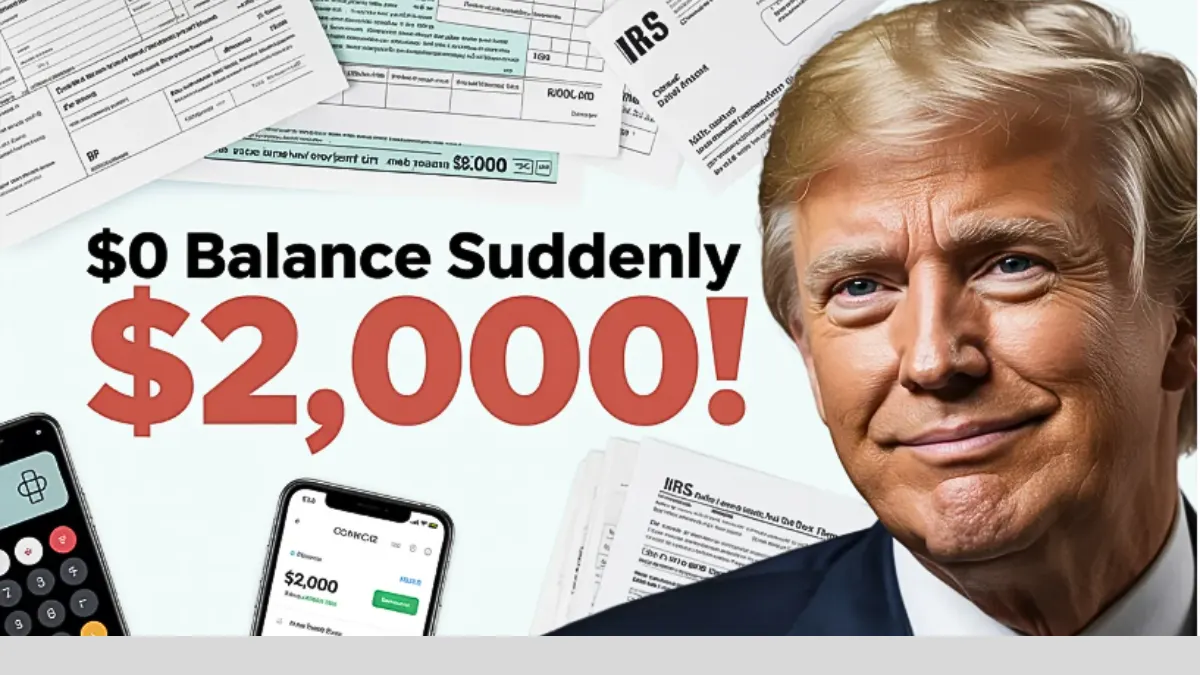
Ever had that sinking feeling? You log into your bank app, holding your breath, and there it is: a big, fat $0.00. Your stomach drops. Rent is due, the car needs gas, and that number feels less like a balance and more like a verdict.
I get it. I’ve been there. But what if I told you that right now, in February, that terrifying zero could be the starting line for an unexpected windfall? Not a scam. Not a “too good to be true” scheme. We’re talking about real money, from the government, that you might have completely forgotten about.
It sounds like a dream, right? You’re not dreaming. It’s all about Federal Deposit Status Updates.
What Are These “Status Updates” Everyone’s Whispering About?
Think of it like this: various government agencies—like the IRS for tax refunds, the Treasury for stimulus checks (yes, some are still processing!), or state agencies for rebates—are constantly trying to send people money. But sometimes, the path to your bank account gets blocked.

Maybe your bank account information changed. Perhaps a check got lost in the mail, or there was a tiny clerical error. For whatever reason, the money couldn’t land. So, it goes into a sort of financial limbo, waiting to be claimed.
February is a major month for status updates. It’s after the year-end chaos and before the spring rush. Agencies reconcile their books, update their systems, and re-send batches of failed payments. It’s their financial “spring cleaning,” and you could be on the receiving end.
The Magic Behind Turning $0 into $2,000 (or More!)
So, how does your empty account potentially get a surprise deposit? Let’s break it down.
- Old Tax Refunds: Believe it or not, people sometimes forget to claim their tax refunds, especially if they move or switch banks. The IRS has a deadline, but if you filed and your direct deposit failed, they’ll keep trying or issue a paper check. A status update could trigger this re-send.
- Unclaimed Stimulus Payments: While the major stimulus programs are over, there are still people—especially those who became eligible later by filing a tax return—who are owed money. These are often sent out in subsequent batches.
- State & Local Rebates: This is a huge one. From energy rebates and inflation relief checks to forgotten utility deposits or class-action lawsuit settlements, states are sitting on billions in unclaimed funds. February updates often sync state databases with federal systems.
- Bank Error Corrections: Rare, but it happens. A bank might reverse an old fee or correct an error from months ago, resulting in a “mystery” deposit.
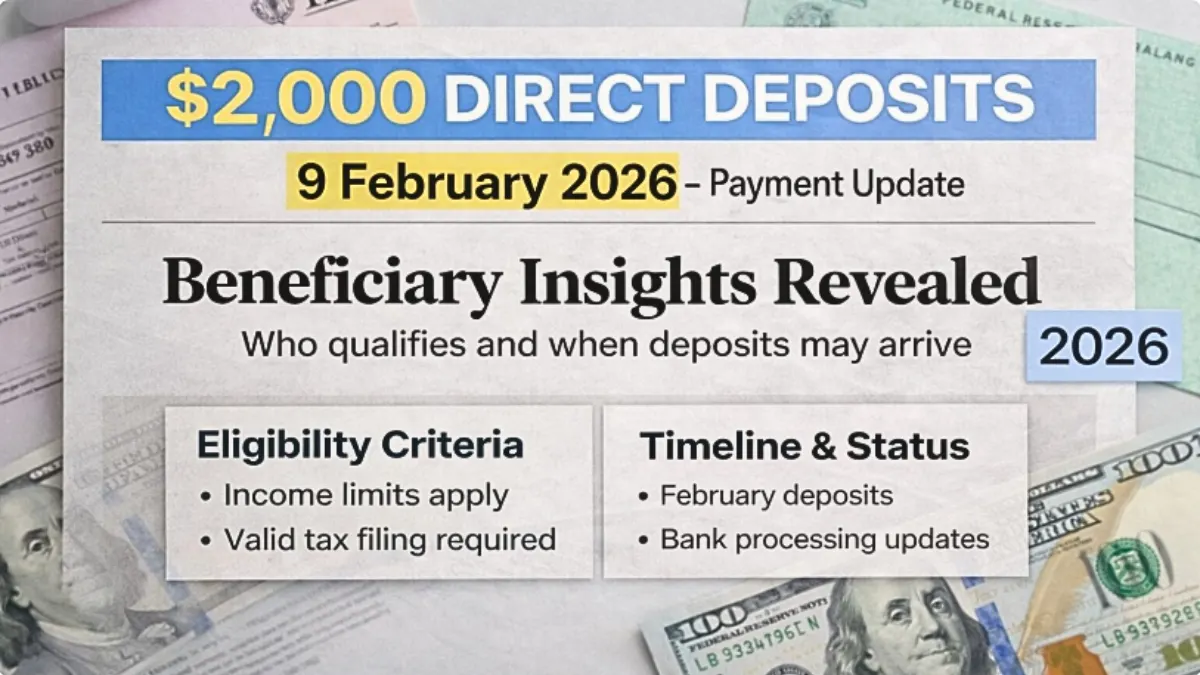
The $2,000 figure isn’t a promise—it’s an example. For some, it could be $300. For others, it could be $5,000 from an old forgotten savings bond or inheritance. The point is: money you are legally owed might be trying to find you.
Your Action Plan: Don’t Just Hope, Check!
Feeling a spark of hope? Good. Now, let’s turn that hope into action. Here’s exactly what to do, in simple steps:
Step 1: The IRS “Where’s My Refund?” Tool
This is your first stop. Grab last year’s tax return and visit the official IRS website. Use their “Where’s My Refund?” tool. It’s secure and updated daily. If there’s a pending refund with a failed deposit, this will tell you.
Step 2: Visit USA.gov‘s Unclaimed Money Page
The U.S. government has a FREE, official website that acts as a hub for searching unclaimed money. You will search state-by-state (for every state you’ve lived in). This is where you find old bank accounts, security deposits, and yes—unclaimed federal and state rebates. This step is crucial. I did this on a whim two years ago and found a forgotten $750 insurance refund from an old apartment!
Step 3: Check Your “Get My Payment” Portal Status
For any potential lingering stimulus payments, the IRS portal might still have information. It’s worth a quick look.
Step 4: Don’t Ignore Mail (Especially This Month!)
That official-looking letter from the Treasury or your state department? It’s not always junk. Open it. February is a prime month for these notifications.
A HEARTFELT WARNING: Scammers love topics like this. They’ll call, text, or email saying they can get your $2,000 for a “small fee.” NO. You should never pay money to get money. These government tools are 100% free. Anyone asking for payment, gift cards, or your social security number over an unsolicited call is a thief. Please, protect your heart and your wallet.
The Emotional Turnaround: From Panic to Possibility
Let’s come back to that feeling—the one you get staring at a zero balance. It’s heavy. It’s fear. It’s shame. Our money is so tied to our sense of security and worth.
But what this February phenomenon teaches us is that sometimes, the story isn’t over. The zero is not always the final page. It might just be the moment before an unexpected twist.
Doing these checks isn’t just about the money (though that’s obviously amazing). It’s about taking back a tiny bit of control. It’s an act of saying, “Hey, let me see what’s out there for me.” It shifts your mindset from passive worry to active searching.
So tonight, or tomorrow morning, with your coffee in hand, give it 10 minutes. Click those official links. Search your name. You have absolutely nothing to lose and potentially thousands to gain.
Because your $0 balance might just be waiting for its February update.